Platelet Rich Plasma (PRP)
WHAT IS REGENERATIVE ORTHOPAEDIC TREATMENT?
From traumatic injuries to sports activities to repetitive day-to-day life duties, we put our bodies through a lot of wear and tear. The joints, tendons, and cartilage in the major joints of our extremities absorb the bulk of this stress, and unfortunately, these tissues have limited ability to heal on their own. Several conditions can cause pain, such as traumatic injury, repetitive overuse, or degenerative arthritis
Regenerative Orthopaedic treatments are a non-surgical, natural treatment option using the healing power of your own cells regenerative and reparative potential to accelerate healing, repair damaged tissues, improve range of motion, and kill pain.
WHAT IS PRP?
Platelet Rich Plasma (PRP) therapy is a regenerative treatment that utilizes your body's own healing abilities to address joint injuries and pain. PRP is rich in platelets, which contain growth factors that stimulate healing cells in the targeted area. These concentrated platelets are packed with bioactive proteins essential for tissue repair and regeneration, aiding in the healing of connective tissues like the meniscus, labrum, and rotator cuff. They also enhance bone healing, cartilage regeneration, and promote new blood vessel development.
PRP therapy is increasingly used for various orthopedic injuries that typically require surgery. It effectively treats conditions like arthritis in the hip, knee, shoulder, and ankle, as well as soft tissue injuries such as tendonitis and muscle sprains. The injections may be guided by ultrasound or fluoroscopy for precise delivery into affected areas, helping to clear damaged tissue and stimulate repair processes.
We utilize advanced PRP systems from Regenlab and Emcyte to ensure optimal concentrations of platelets and growth factors tailored to your injury. Dr. Wilkerson will recommend the best PRP option for your specific condition.
WHAT RESULTS TO EXPECT:
-
Reduced joint pain
-
Improved range of motion
-
Better mobility
-
Reduced inflammation
The human body can heal itself remarkably, and by re-injecting concentrated platelets, we enhance this natural process. PRP injections attract stem cells to repair the area. To optimize healing, we must maximize stem cell release, avoiding factors like smoking and alcohol that hinder it. This will improve the procedure’s success. Platelets release growth factors that activate stem cells.
These treatments may help delay surgery or reduce medication needs. The number of PRP injections varies based on the condition’s severity and type, with younger individuals typically requiring fewer injections. After the injection, mild pain may increase for 3-10 days, usually manageable with Tylenol.
HOW LONG WILL RESULTS LAST?
PRP does not offer instant pain relief, but regenerates injured or damaged tissue over time. This takes a few weeks. Clinical studies show that the effects of PRP injections last anywhere from nine months to several years. This depends on the area injected, the severity of the pain or injury, and the concentration or dosage of PRP. Depending on your situation, we may recommend a series of injections or combine PRP treatments with other modalities, including physical therapy or BMAC (Bone Marrow Aspirate Concentrate), to prolong results.
PRP FOR JOINT PAIN OR INJURY COST & PRICING STRUCTURE
PRP injection therapy is priced based on the amount of PRP needed, the area treated, and the type of injury treated. Sometimes, a series of PRP injections are recommended. Dr. Wilkerson or one of our regenerative medicine experts at will determine the specifics at your personalized consultation.
BEFORE & PREPARATION
-
First, meet with one of our regenerative medicine providers to see if you're a suitable candidate for the procedure.
-
We may conduct diagnostic tests (like X-rays, MRI, or ultrasound) to assess your eligibility.
-
Bring any existing imaging reports to your appointment.
-
Avoid anti-inflammatory meds such as Aleve, Motrin, and cortisone for a week before treatment.
-
Inform your provider if you're on blood thinners.
-
Have a light meal 1-2 hours before treatment.
-
Drink 6-8 glasses of water the day before and on the treatment day.
-
Refrain from smoking five to seven days before and after treatment, as it can hinder healing.
AFTERCARE & RECOVERY
-
Regenerative PRP injections trigger an immediate inflammatory response to kickstart healing in the treated area. A local anesthetic is used to minimize discomfort during the injection.
-
Post-treatment, you may feel stiffness, soreness, swelling, or mild pain, which will lessen over time.
-
Refrain from anti-inflammatory medications or supplements for at least 6 weeks after treatment.
-
Avoid steroids and do not apply ice to the area, as it can hinder healing.
-
Keep the treatment area still for 30-60 minutes after the injection.
-
You can shower after the procedure.
TREATMENT AREAS
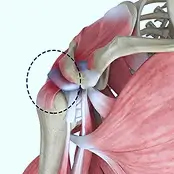
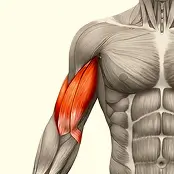
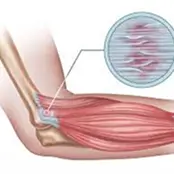
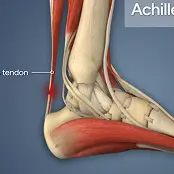
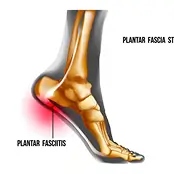
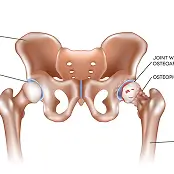
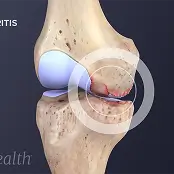
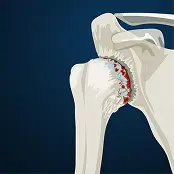
Platelet Rich Plasma therapy is a treatment option for various Orthopaedic injuries and conditions, which have traditionally required surgery or other extensive treatments. PRP injections are being utilized in Orthopaedics with increasing frequency and effectiveness. Injuries currently being treated with the PRP therapy are arthritis of the hip, knee, shoulder, ankle and other joints. PRP also is utilized for soft tissue injuries such as tendonitis, muscle sprains and tears, and various types of ligament injuries. These include common tendon injuries such as tennis and golfers’ elbow, Achilles tendonitis and knee tendonitis. PRP is also used to treat various injuries and conditions affecting (joint) injuries.
Common treatment areas include:
PRP therapy may be a suitable option for those with joint pain or injury:
-
1
Who does not respond to standard treatment
-
2
Want to reduce their dependence on medication
-
3
Who desire natural or alternative treatment options
-
4
Suffer from pain or injury in their ligaments, tendons, cartilage, or muscle
Contraindications
The following are contraindications for PRP therapy:
-
Active infection
-
Active cancer
-
Anticoagulant therapy
-
Bleeding Disorders
Related Procedures
Hyaluronic Acid Injection
Hyaluronic acid (HA) is a natural substance in synovial fluid around joints, acting as a lubricant for smooth bone movement and a shock absorber for joint loads. Osteoarthritis patients often have lower HA levels, and adding it to arthritic joints can ease movement and pain. HA was first used in Europe and Asia and received FDA approval in 1997.
Outcomes of Hyaluronic Acid Injection
Visco-supplementation may not help all patients and can take weeks to show improvement. HA effects usually last 6 months to a year, with treatments repeatable every 6 months. However, HA has not been proven to reverse arthritis or regenerate cartilage, and it’s most effective in early-stage osteoarthritis.
Benefits of Combining Hyaluronic Acid with PRP Therapy
For more information, visit our Learning Center.
Experience Physician-Led Excellence
Schedule a consultation to discuss your orthopaedic needs and discover how our integrated approach can optimize your musculoskeletal health.