Pectoralis Tendon Repair
Understanding the Pectoralis Major Muscle
The pectoralis major, or “pecs,” is a significant muscle in the chest area, responsible for adduction, internal rotation, and flexion of the shoulder joint. It comprises two parts: the clavicular head and the sternal head, each originating from different points on the body. This muscle is crucial not only for daily activities but also for athletes and individuals engaged in physical exercises, particularly weight lifting.
When Injury Strikes
Injuries to the pectoralis major muscle often occur during activities that involve extending or externally rotating the arm while it is actively contracted. This is particularly common during weight-lifting exercises such as bench presses. Signs of injury may include a popping sensation, followed by pain, weakness, and bruising in the chest or shoulder area. At this point, the expertise of the team at Orthopaedics & Rehabilitation Excellence of Miami becomes invaluable.
At the center, Dr. John Phillip Wilkerson Jr. and the care team utilize advanced diagnostic tools, including MRI imaging, to accurately assess the extent of the injury. This precise diagnosis is essential for developing the most effective and individualized treatment plan.

Navigating Through Treatment Options
For partial tears of the pectoralis, non-operative treatment often yields excellent results. This approach includes rest, the use of a sling, ice therapy, compression, and anti-inflammatory medications. Physical therapy, initiated about two weeks post-injury, plays a pivotal role in gradually restoring strength and motion.
In cases of full-thickness tears, surgical intervention may be recommended. The procedure involves carefully separating the torn tendon from surrounding tissues and reattaching it to its original attachment on the humerus bone. Performing this surgery within the first three months after injury is considered optimal, as it helps prevent tendon retraction and supports a more successful recovery.
The Surgical Process and Advanced Techniques
Surgery for pectoralis major tendon repair is a meticulous process. Our surgeons, with their extensive experience, ensure the tendon is freed from surrounding tissues and securely reattached to the humerus. This reattachment is critical for restoring the muscle’s function and strength.
Even in cases where patients come in with injuries older than three months, our team at Orthopaedics & Rehabilitation Excellence of Miami is equipped to handle such complex situations. These chronic repairs may require tendon grafting, a procedure in which our specialists are highly proficient.
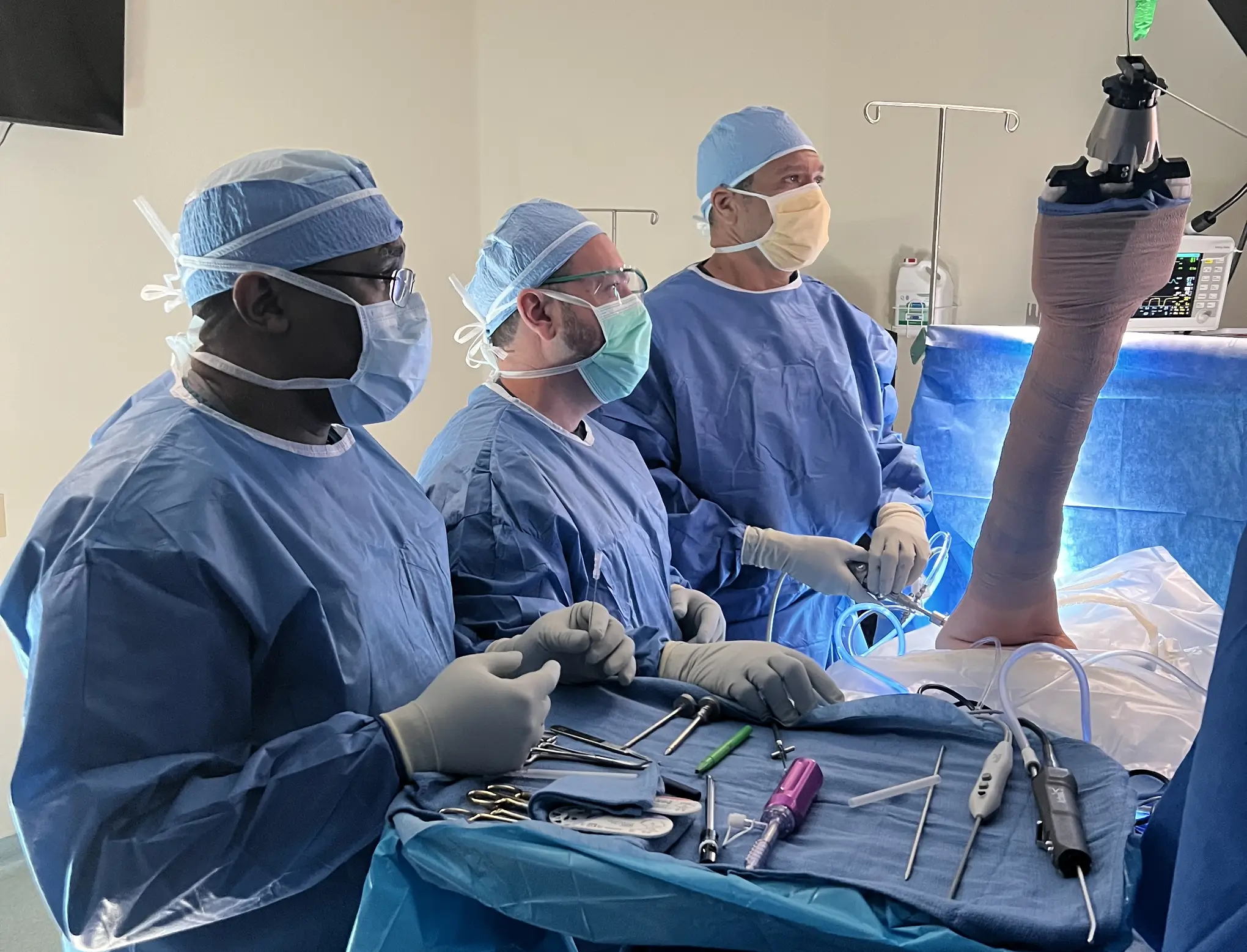
Comprehensive, Patient-Centered Care
From the initial consultation through post-operative recovery, Dr. John Phillip Wilkerson Jr. and his team at Orthopaedics & Rehabilitation Excellence of Miami provide truly comprehensive and personalized care for every patient.
The care philosophy centers on treating the patient as a whole, not just an isolated injury. By taking the time to understand each individual’s needs and goals, a customized surgical plan and rehabilitation protocol are developed using the latest resources to optimize outcomes.
This patient-centered approach begins with a thorough physical examination, a detailed review of imaging studies, and discussion of the patient’s activity level, work requirements, and desired results. Using this information, Dr. John Phillip Wilkerson Jr. creates a tailored surgical plan based on the specific type and severity of the labral tear.
Following repair, patients receive clear postoperative instructions and a progressive rehabilitation program focused on restoring shoulder mobility and strength. The care team closely monitors recovery and makes necessary adjustments to support an optimal healing process.
Frequently Asked Questions
What is Pectoralis Major Tendon Repair?
Pectoralis Major Tendon Repair is a surgical procedure aimed at fixing tears in the pectoralis major muscle, commonly known as the “pecs.” This muscle is essential for arm movement and strength, and the surgery involves reattaching the torn tendon to its original position on the humerus bone.
What are the non-surgical treatment options?
Non-surgical treatments may include rest, the use of a sling, ice application, compression, over-the-counter anti-inflammatory medications, and physical therapy, especially for partial tears or specific types of full-thickness tears.
Who is a candidate for this type of surgery?
Candidates for this surgery typically include individuals who have experienced a full-thickness tear of the pectoralis major muscle, often due to heavy lifting or sports activities. An ideal candidate is someone whose injury occurred within the last three months, although older injuries can also be treated.
What does the surgical procedure involve?
The surgery involves carefully dissecting the torn tendon from surrounding tissues and reattaching it to the humerus bone at its original site. It is generally recommended for complete, full-thickness tears.
How is a pectoralis major tendon injury diagnosed?
Diagnosis generally involves a physical examination and imaging tests, such as an MRI, to assess the extent of the injury and determine the most appropriate treatment approach.
Experience Physician-Led Excellence
Schedule a consultation to discuss your orthopaedic needs and discover how our integrated approach can optimize your musculoskeletal health.