Rotator Cuff Tear Repair
Exploring Treatment Options for Rotator Cuff Tear Repair
Rotator cuff injuries, a common affliction affecting the shoulder’s mobility and strength, can significantly impact one’s quality of life. At Orthopaedics & Rehabilitation Excellence of Miami, a range of cutting-edge treatment options is offered, tailored to meet the specific needs of each patient.
Understanding Rotator Cuff Injuries
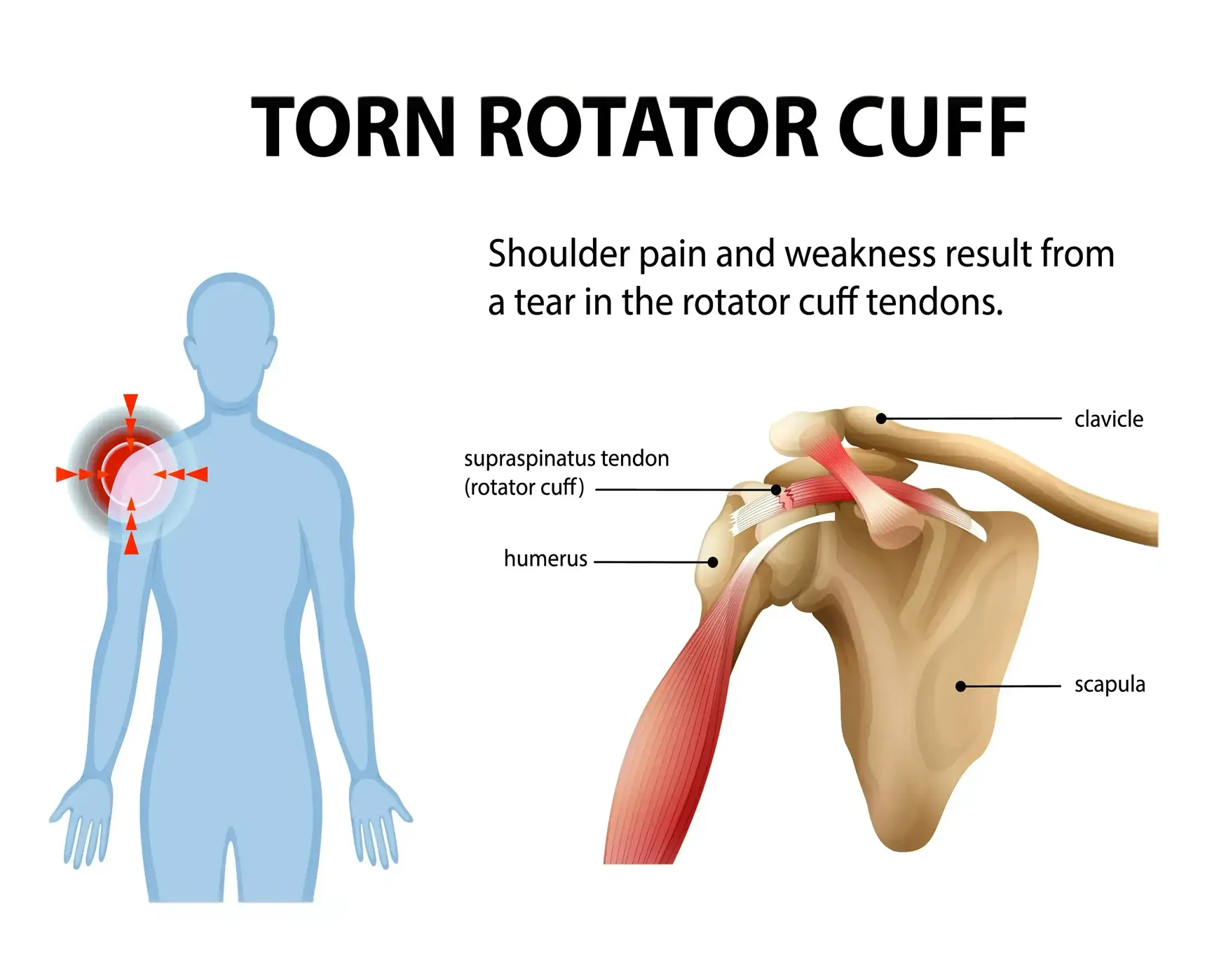
Before delving into treatments, it’s essential to grasp what the rotator cuff is: a group of muscles and tendons that stabilize the shoulder joint, enabling a wide range of movements. When these tendons are injured or torn, the result can be pain, weakness, and limited shoulder function. Causes range from acute injuries, like falls, to chronic overuse or degenerative conditions..
The journey at Orthopaedics & Rehabilitation Excellence of Miami begins with a thorough diagnosis. Utilizing advanced imaging techniques such as X-rays, MRIs, or ultrasounds, the team precisely pinpoints the nature and extent of the injury. This step is crucial in crafting a personalized treatment plan.
Non-Surgical vs. Surgical Treatment Approaches
At Orthopaedics & Rehabilitation Excellence of Miami, treatment for shoulder conditions is tailored to the severity of the injury and each patient’s individual needs. Non-surgical treatments are often the first line of care, particularly for tendinitis or partial tears. These conservative approaches focus on pain relief, inflammation control, and functional improvement through physical therapy, pain management strategies, corticosteroid injections, and regenerative medicine options such as PRP therapy that leverage the body’s natural healing processes.
When conservative methods do not provide sufficient relief, surgical solutions may be recommended. Minimally invasive procedures such as arthroscopic rotator cuff repair and mini-open repair are designed to restore tendon integrity with reduced tissue disruption, while open rotator cuff repair is reserved for complex or severe cases requiring direct surgical access. Regardless of the approach, both non-surgical and surgical treatments are supported by structured post-treatment rehabilitation programs to promote optimal recovery, long-term shoulder stability, and prevention of future injury.
Tailoring Treatment to the Individual
What sets Orthopaedics & Rehabilitation Excellence of Miami apart is its commitment to individualized care. The team understands that each patient’s journey is unique, and treatment plans are tailored accordingly. Whether treating a young athlete or an older individual managing age-related degeneration, the approach remains consistently patient-centered.
Taking the Next Step
At Orthopaedics & Rehabilitation Excellence of Miami, the focus is on providing comprehensive, patient-centered care for rotator cuff injuries. With a blend of traditional and innovative treatments, the center is equipped to guide patients through their recovery, helping them regain strength, functionality, and quality of life. The path to healing is a collaborative effort, tailored to meet the needs of each individual, ensuring the best possible outcomes for those suffering from rotator cuff injuries. Contact us today to schedule an appointment.
Frequently Asked Questions
What are the symptoms of a rotator cuff injury?
Symptoms typically include shoulder pain, especially when lifting the arm, weakness in the shoulder, and sometimes a cracking sound during movement. Pain often worsens at night or when lying on the affected shoulder.
When is surgery necessary for a rotator cuff injury?
Surgery is typically considered when non-surgical treatments fail to improve symptoms, or in cases of severe tears. The decision also depends on factors like the patient’s age, activity level, and overall health.
How is a rotator cuff injury diagnosed?
Diagnosis usually involves a physical examination, during which your doctor will assess pain levels and range of motion. Imaging tests like X-rays, MRIs, or ultrasounds may also be used to determine the extent of the injury.
What are the different types of rotator cuff repair surgeries?
The main types are arthroscopic repair (a minimally invasive procedure using small incisions), mini-open repair (a combination of open and arthroscopic techniques), and open repair (a traditional approach for complex cases).
Are there non-surgical treatments for rotator cuff injuries?
Yes, non-surgical treatments include physical therapy, pain management through medications or ice therapy, and in some cases, corticosteroid injections. Regenerative medicine treatments like PRP therapy may also be considered.
Experience Physician-Led Excellence
Schedule a consultation to discuss your orthopaedic needs and discover how our integrated approach can optimize your musculoskeletal health.